To Encourage Literary Distinction in the Writing of History and Biography
We are delighted to announce the winners of our 2024 prizes!
The Tony Horwitz Prize honoring distinguished work in American history of wide appeal and enduring public significance is awarded to the Comanche author, essayist, and critic Paul Chaat Smith, Curator, Smithsonian’s National Museum of the American Indian.
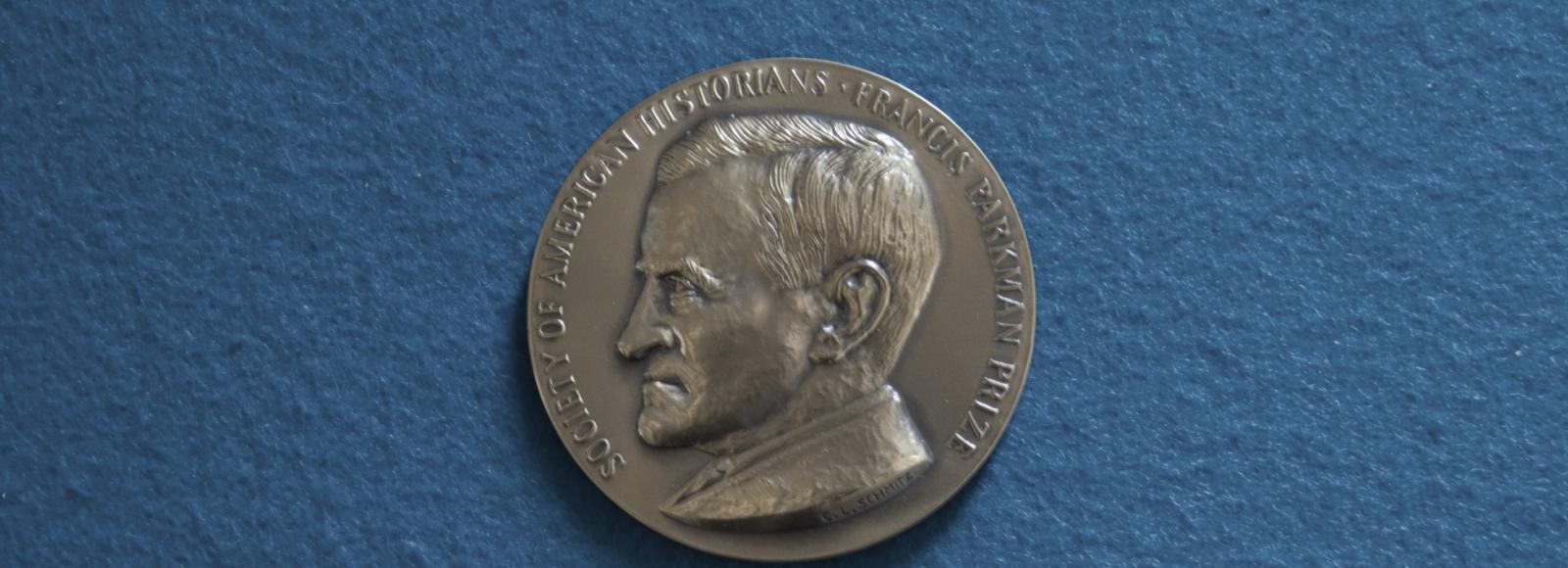
The Francis Parkman Prize honoring literary merit in the writing of history is given to David Waldstreicher for The Odyssey of Phillis Wheatley: A Poet’s Journeys through American Slavery and Independence (Farrar, Straus and Giroux).
The Allan Nevins Prize for the best-written doctoral dissertation on a significant subject in American history is awarded to Sophie FitzMaurice for “The Material Telegraph: An Environmental History of the Technology that Wired America, c. 1848-1920” (University of California, Berkeley)
Our new executive officers for 2024/2025 are:
Martha A. Sandweiss, president
Martha Hodes, vice president
Andrew Lipman, executive secretary
And our newest members, elected by the Society in recognition of the literary merit in their writing or presentation of American history, are:
Ned Blackhawk
Miroslava Chavez-Garcia
Larry Glickman
Cindy Hahamovitch
Evelyn Brooks Higginbotham
Margaret Jacobs
Susan Lee Johnson
Matthew Karp
Erika Lee
Beth Lew-Williams
Andrew Lipman
Jen Manion
Scott Reynolds Nelson
Tamika Nunley
Kathryn Olmsted
Nayan Shah
Brenda Stevenson
Katherine Turk
David Waldstreicher
Kidada Williams
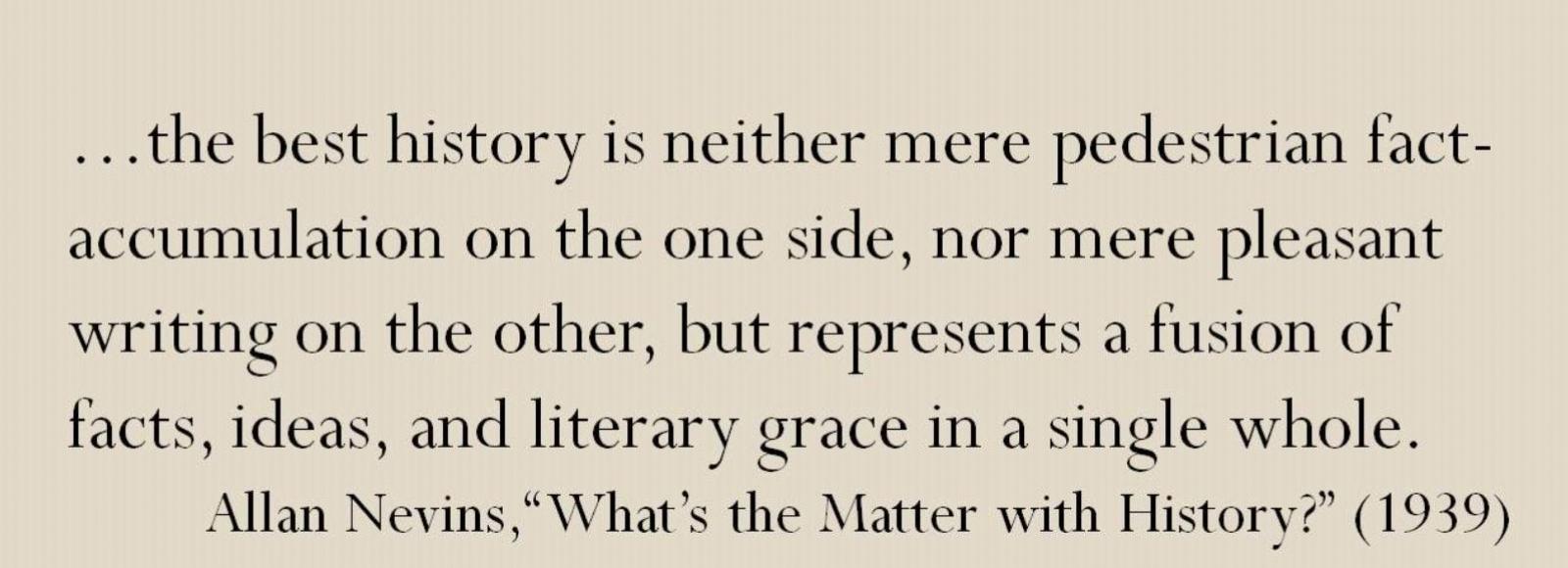
The Society of American Historians (SAH) was founded in 1939 by the journalist and Columbia University historian Allan Nevins and several fellow scholars to promote literary distinction in the writing of history and biography. Under a charter of incorporation issued by the State of New York, the society has continued to promote its original objective in a variety of ways: through the awarding of prizes, the promotion of historical studies and interests, and cooperation with publishers and other institutions engaged in furthering these aims.
The Society's membership includes more than 450 academic scholars, public historians, and professional writers working on topics in American history. Members are elected based on achievement in the vivid and compelling presentation of history and biography in a variety of forms, including books, essays, film, drama, museum exhibitions, and other emerging forms of public communication. The Society recognizes excellence in historical work marked, among other qualities, by clarity, empathy, narrative power, accuracy, and explanatory force.